You’re reading about a past gathering. Chicago Matcha Club meets every few weeks in Chicago — see what’s coming up next, and grab a seat before it sells out.
We sent this recap to everyone who attended our Chicago Matcha Club meetup. Posting it here so you can see what we’re up to.
Wanna join us next time? Get on the Matcha Club Email List!
Chicago Matcha Club at Jeong Restaurant
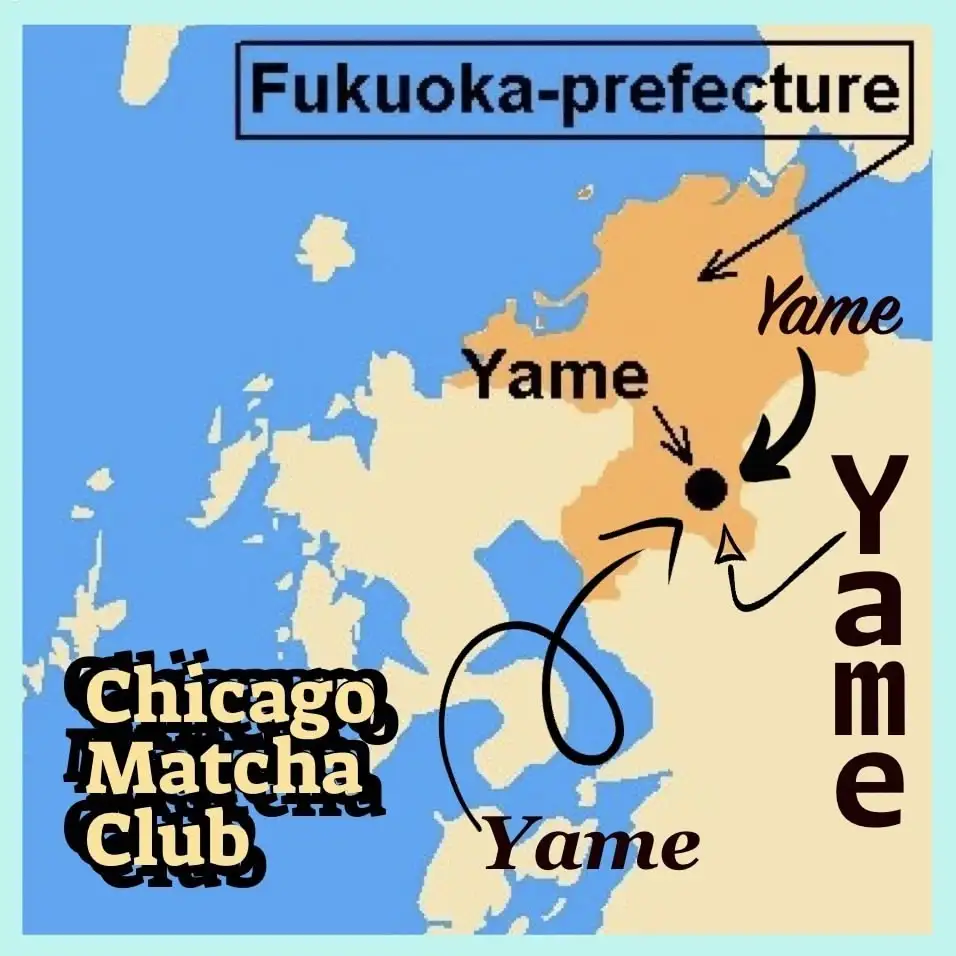
Our latest Matcha Club gathering took us to a new venue—Jeong restaurant in Noble Square [website] [google] . This session focused on understanding teas from Yame (Fukuoka prefecture) in Southern Japan. We discussed how these delicate teas are similar to one another and how shading duration dramatically impacts tea flavor, with a special tasting of award-winning Gyokuro from a family farm in Yame.
What We Tasted
1. Hoshino Hatutumi Shincha – Hoshi Tea, Yame
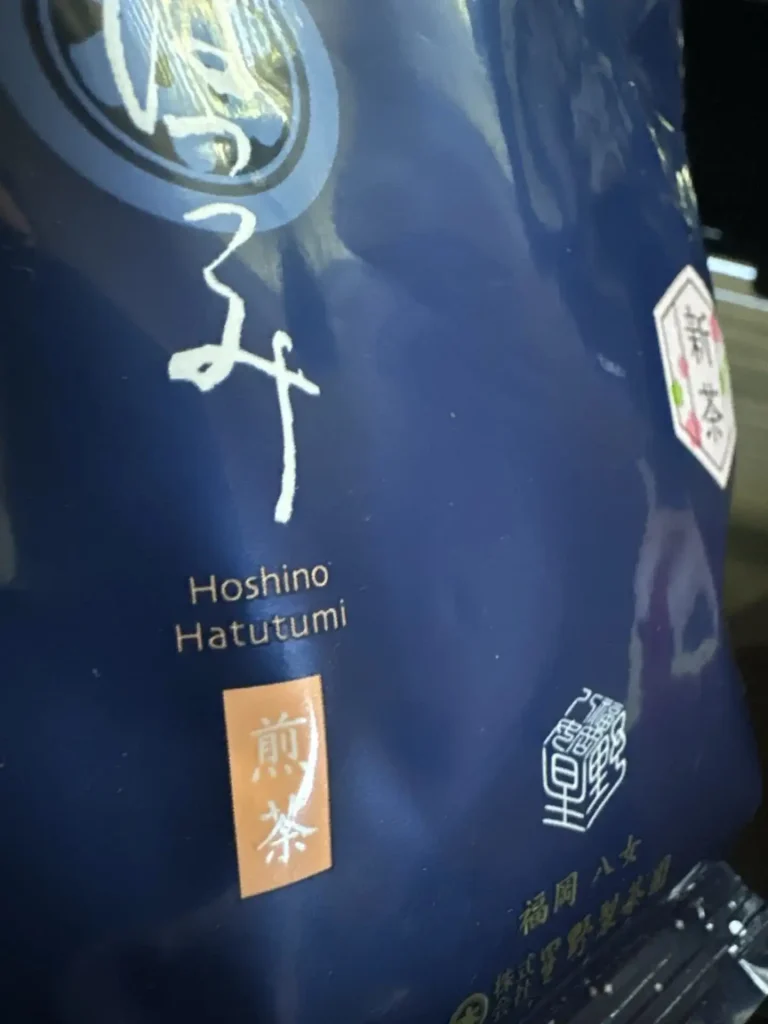
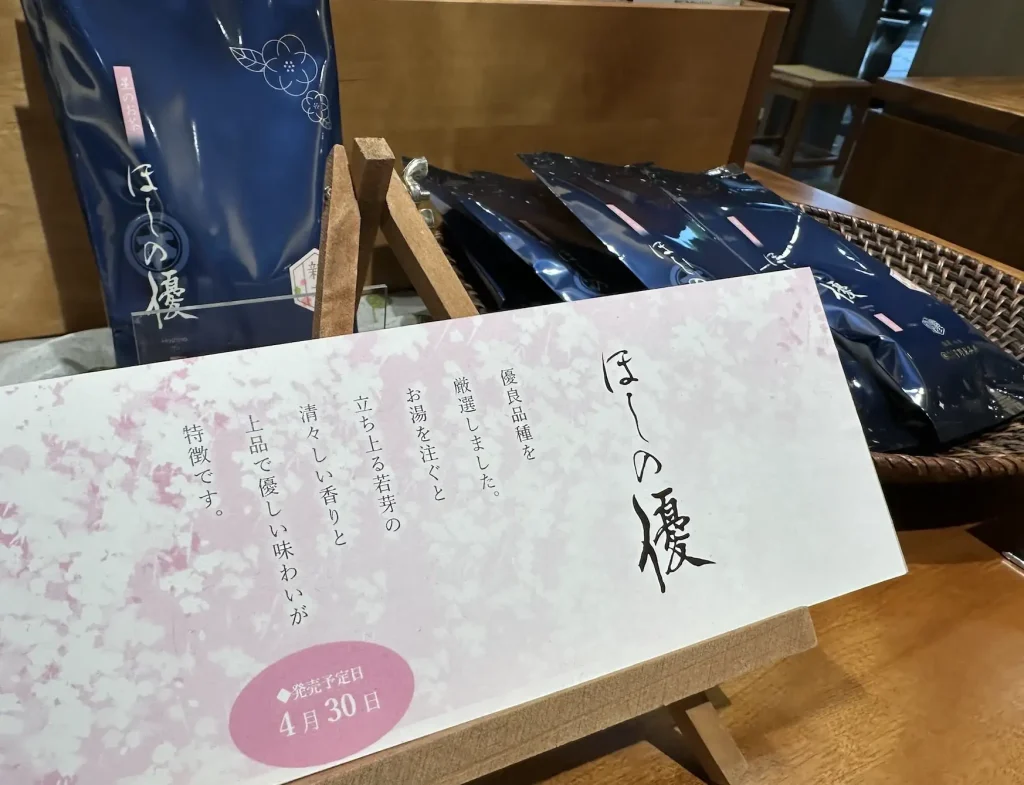
We started with a first-harvest spring sencha from Hoshino, Yame. This tea was likely shaded for a brief period (possibly 5-7 days, though many sencha are not shaded at all). The lighter shading creates the baseline characteristics of Japanese green tea—grassy, bright, with subtle hay notes. The second steep mellowed considerably, becoming more delicate and less astringent.
Brewing: ~7.5g tea, 180ml water at 76°C
2. Yame Matcha – Kitsune Matcha (Amazon Sourcing Test)
 Since I regularly get emails asking for Amazon matcha recommendations, I finally found one worth testing: Kitsune – a Yame matcha averaging about $1/gram ($30 for ~30g).
Brewing: ~4g tea with 70mL of water at 176ºF whisked. (We used a little more matcha than needed to get a full punch of flavor. If you were making this at home, that ratio would work well for a latte. For thin tea, you could even use less matcha.)
The group consensus? Certainly good enough and interesting. Decent for lattes. Has a slightly muddy or dark quality when drinking straight. Not bad, just different than the other brighter Yame teas we tried. Very savory and nutty. More than adequate for lattes and mixed drinks. But certainly passable for usucha (matcha+water thin tea) and better than 99% of most other matcha you’ll find on Amazon.
3. Award-Winning Gyokuro by Tsutomu Kurazumi Yame

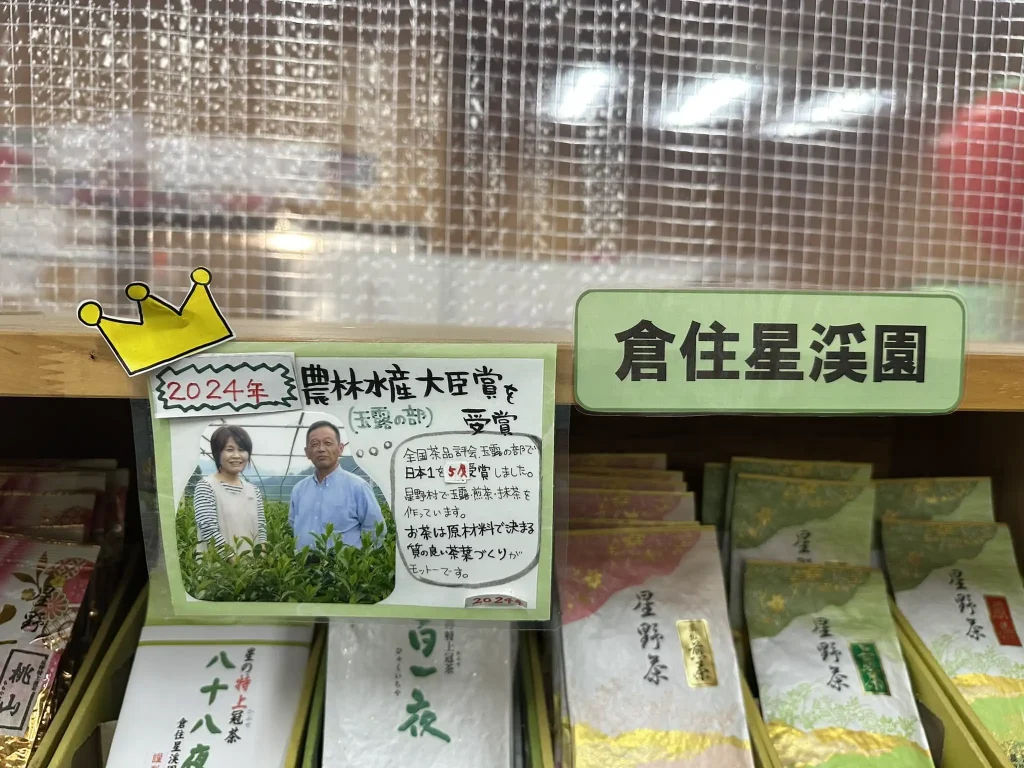
The first main event. This Gyokuro came from a small family farm we discovered at a farmers co-op in Yame—the kind of producer you won’t readily find online. The packaging displayed a small crown symbol and noted they’d won the Minister of Agriculture, Forestry, and Fisheries Award (the national top prize) at the National Tea Tasting Competition.
Check out this article from Yunomi.life for more info on Japanese National Tea Competitions.
The Shading Difference: While standard sencha typically receives little to no shading, this Gyokuro was shaded approximately 20 days. That extended shading creates dramatically higher concentrations of amino acids (especially L-theanine), chlorophyll, and umami compounds. When tea plants are shaded, they stop converting theanine into catechins (which cause bitterness), resulting in that prized sweet, savory character.
Brewing: ~8g tea in a Shiboridashi, 100ml water, first steep at lower temperature (~56°C) for 90 seconds, second steep hotter and faster (~60°C for 45 seconds). We demonstrated the traditional pouring method—distributing tea across three small cups in a 1-2-3-3-2-1 pattern to ensure even flavor, saving those precious final “drops of heaven.”
Flavor Notes: Intensely vegetal with strong characteristics (some said corn-like), pronounced salinity, and a distinctive “rough around the edges” quality that let you taste the farm itself. Some found it very savory with an thick mouthfeel. The second steep brought out more grassiness but maintained that lingering sweetness and the signature salivation response of quality Gyokuro.
4. Hoshino Matcha – Hoshi Tea, Yame
The second main event. I have to be honest that I didn’t take any notes on the Hoshino matcha… other than I remember it was quite surprisingly delicious. I’ll try to track down notes and photos from others!
Topics Discussed
Shading Creates the Magic: Extended shading (typically 20-30 days for Gyokuro and matcha/tencha) forces the tea plant to stop converting L-theanine into catechins when deprived of sunlight. This biochemical change is what creates that prized umami flavor and the health compounds that make these teas special. Shorter shading periods (7-14 days) produce Kabusecha, which falls between sencha and Gyokuro in character.
Processing Differences: Japanese green teas are defined by their steaming process, which stops oxidation immediately after harvest and preserves the fresh, grassy, vegetal character. This differs from Chinese green teas, which are typically pan-fired, creating more toasty, nutty flavors. Steaming is what gives Japanese teas their distinctive bright green color and “umami” taste.
Why Gyokuro Matters: In Japanese culture, serving Gyokuro signals a special relationship or occasion—it’s more precious than everyday sencha. The high leaf-to-water ratio and careful brewing create an intense, concentrated experience meant for slow sipping. Only an estimated 1% of Japan’s tea production is Gyokuro, making it genuinely rare. Yame produces around 50% or more of all Japanese Gyokuro.
The Brewing Philosophy: We demonstrated traditional Japanese preparation techniques, including the Shiboridashi vessel (similar to a Chinese Gaiwan but distinct), proper water temperature management, and the methodical pouring pattern that ensures each cup receives equal intensity from first pour to final drops.
Beyond Drinking: Many people brew Gyokuro once or twice, then place the remaining leaves on rice with furikake, letting the moisture extract the remaining flavor directly into the rice grains—a common way to avoid wasting these precious leaves.
The Venue
Jeong Restaurant
1460 W Chicago Ave, Chicago, IL 60642
[website] [google maps]
Thank you to Jeong for hosting us in their beautiful and comfy dining room!

What’s Next
If you’re interested in joining future tastings or have questions about Matcha Club, SIGN-UP FOR EMAILS or CONTACT US.
The small family farms producing tea like this Gyokuro represent exactly what Matcha Club is about—connecting with authentic, high-quality producers and understanding what makes their tea distinctive. No hype, no marketing, just people who know their craft.
Reply
You must be logged in to post a comment.