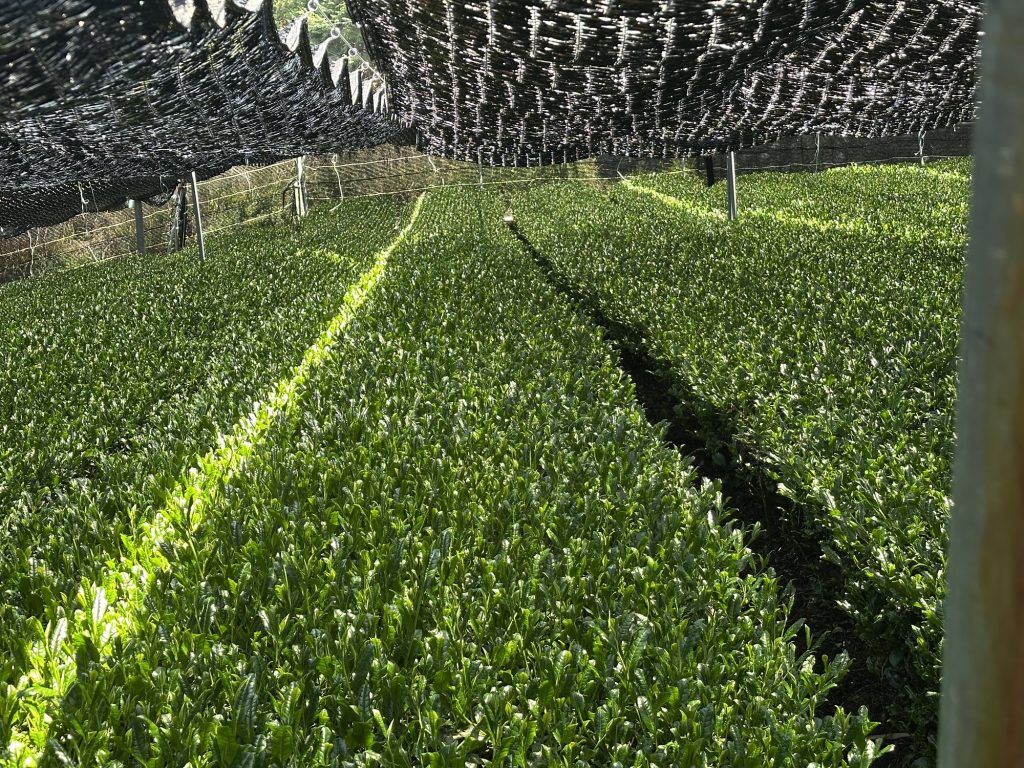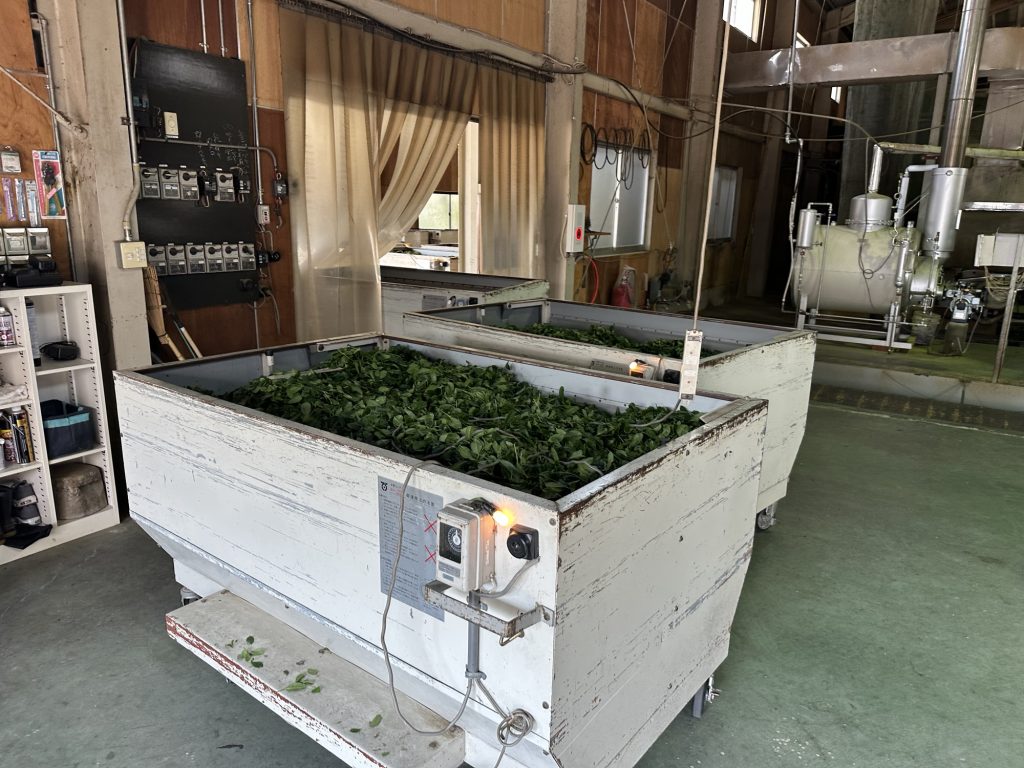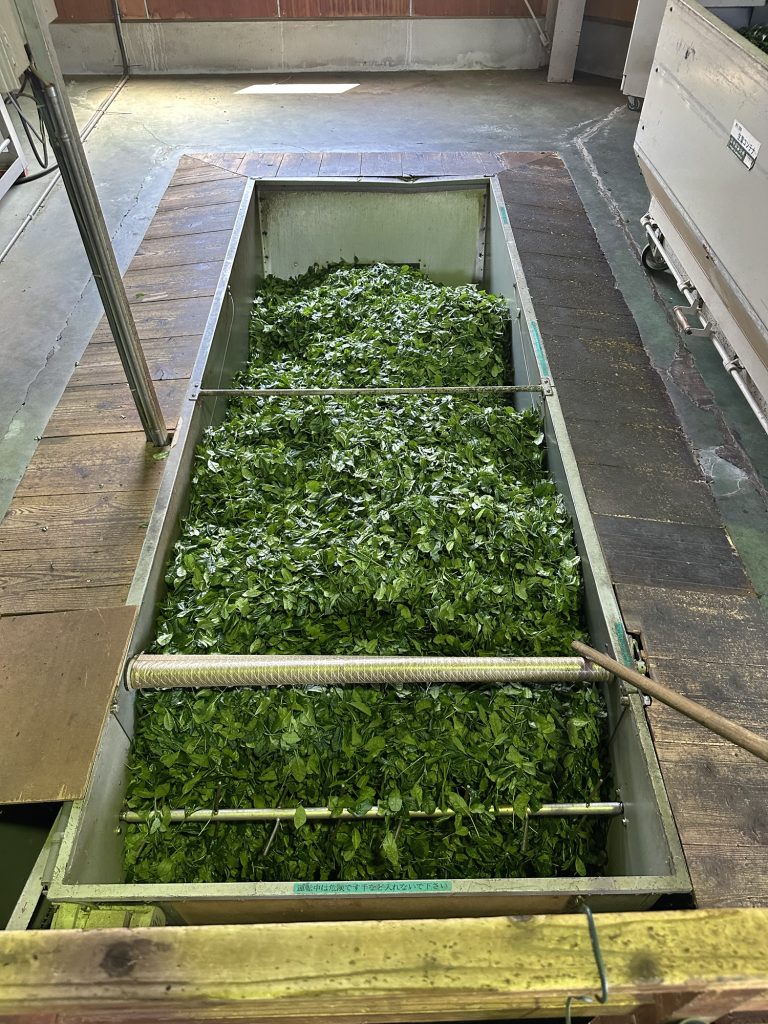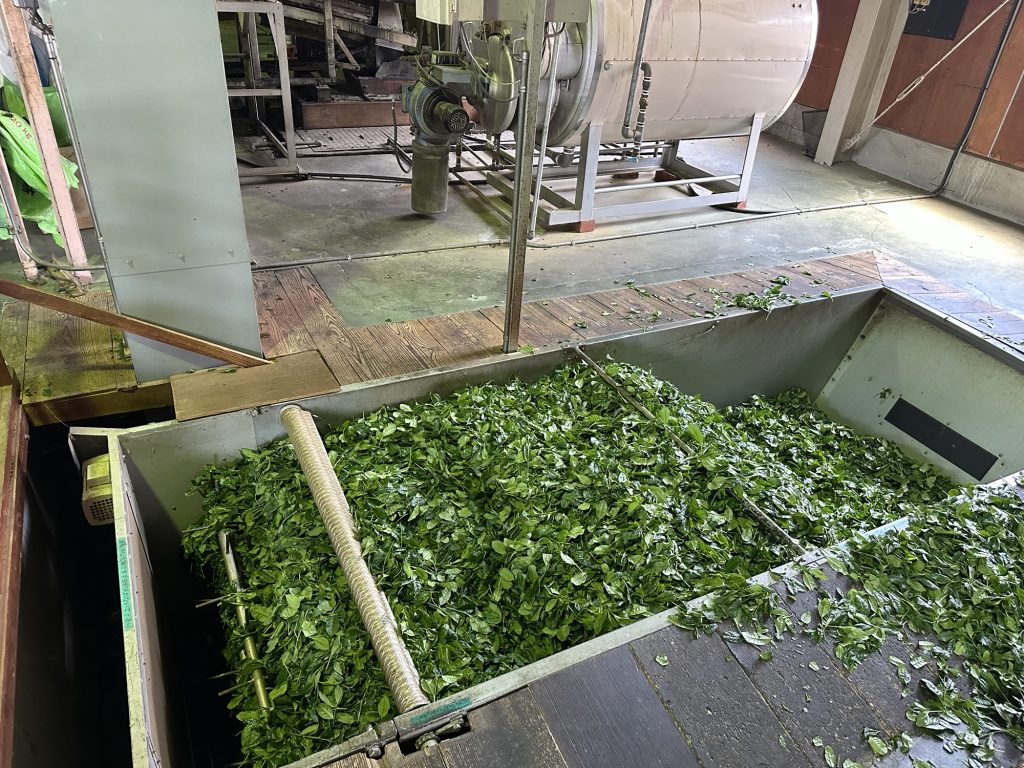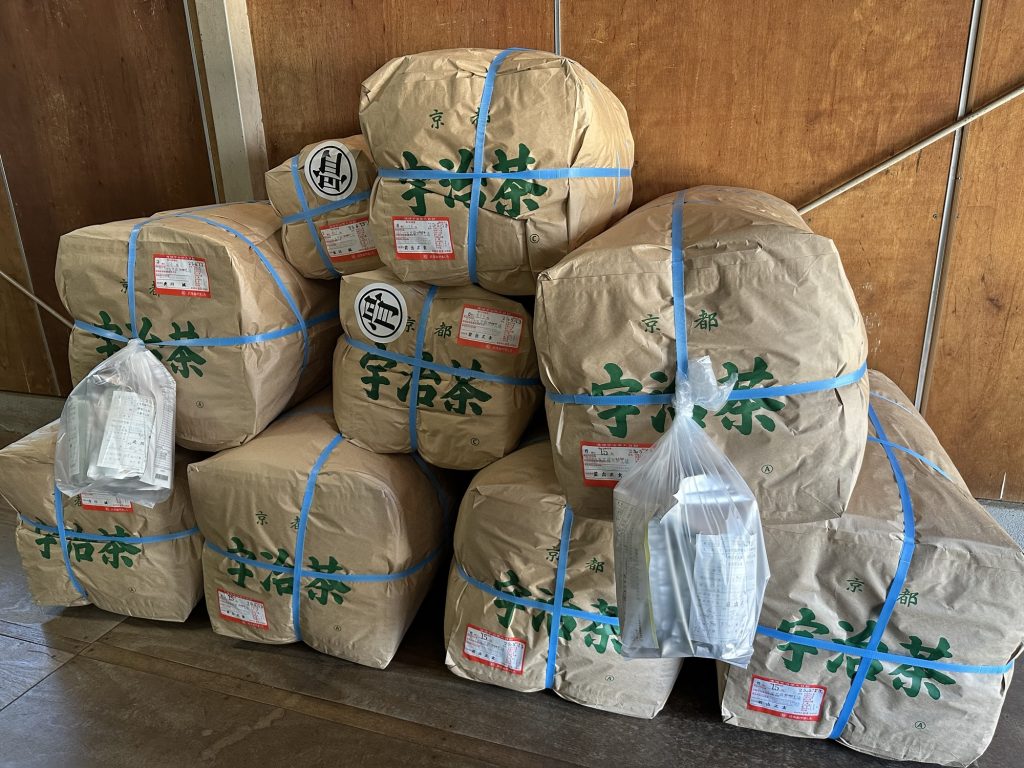
Last week I visited one of the busiest tencha factories in Wazuka, a small town about an hour outside Uji, Kyoto. This is the beating heart of one of Japan’s most prominent matcha-producing regions. If you’ve ever had good Uji matcha, chances are high it came from here.
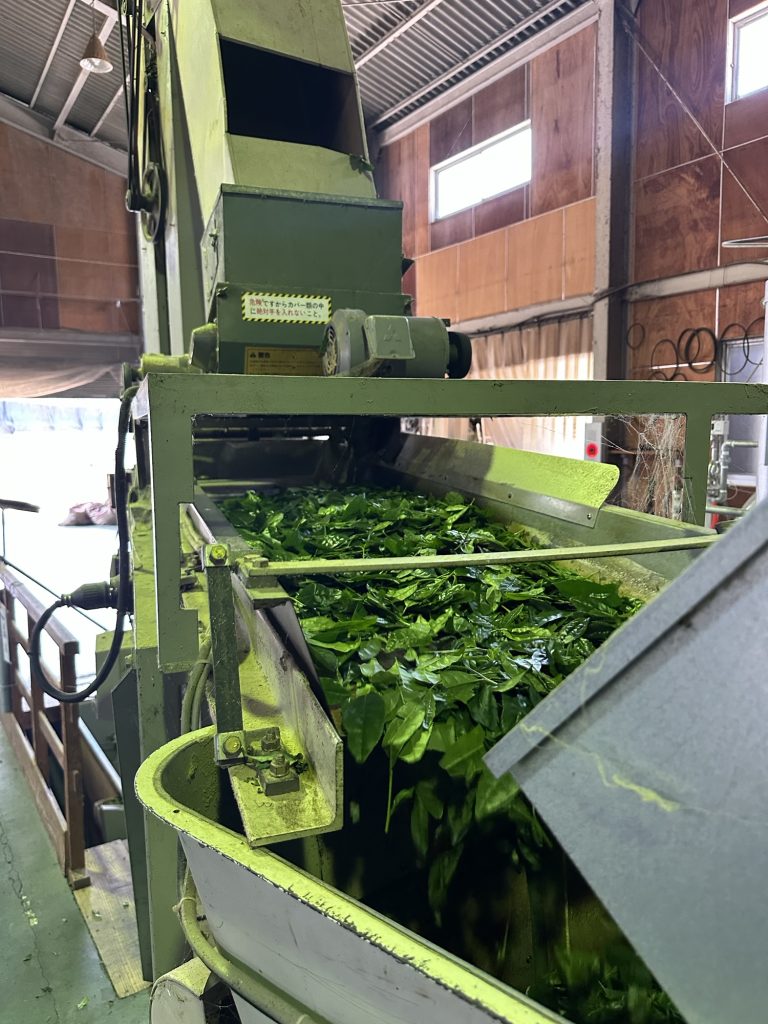
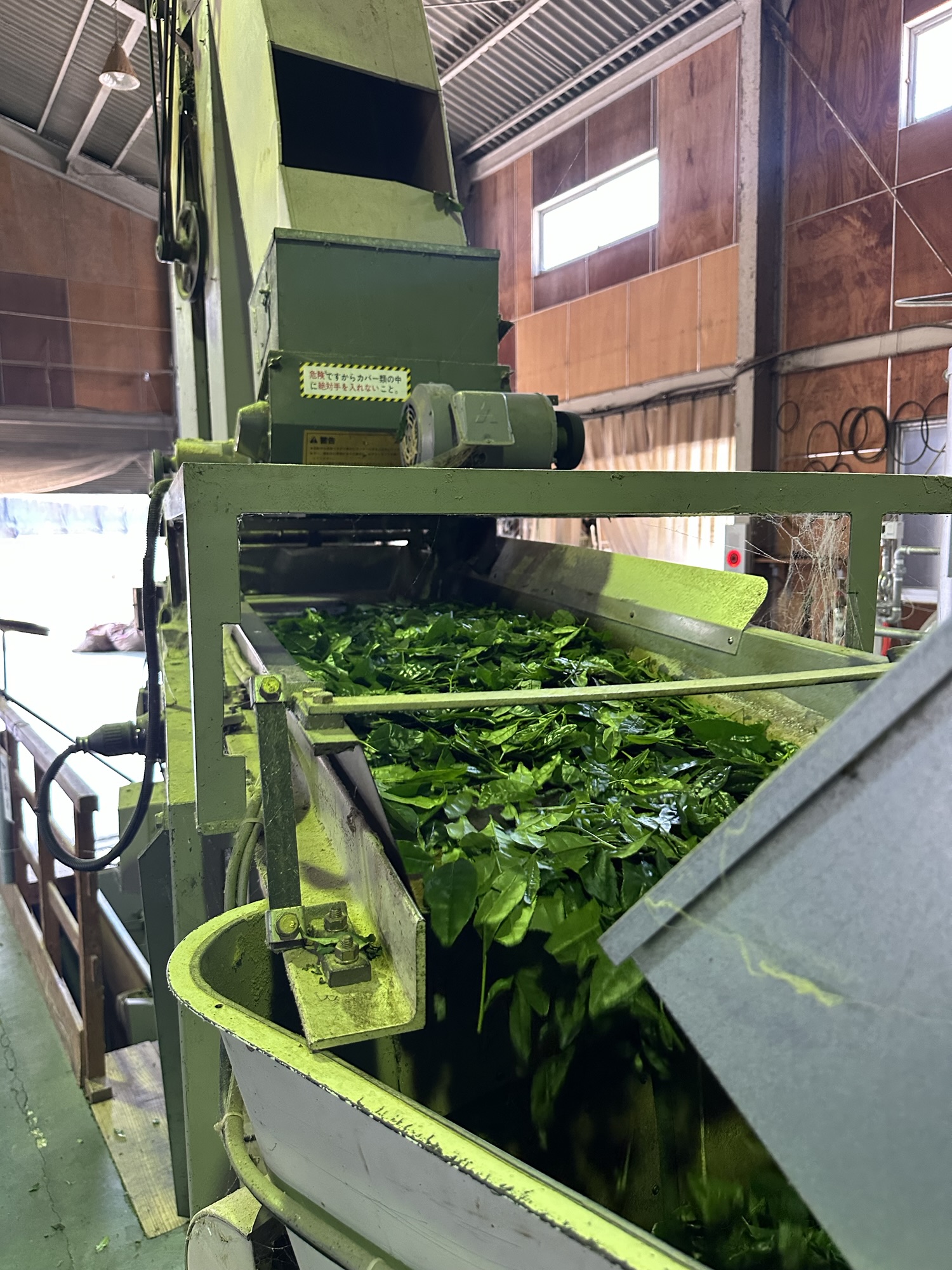
Walking into an active tencha factory during processing season is like stepping into the beating heart of matcha production. The air was thick with the sweet, grassy aroma of freshly steamed tea leaves, and everywhere you looked, machinery hummed with purpose.
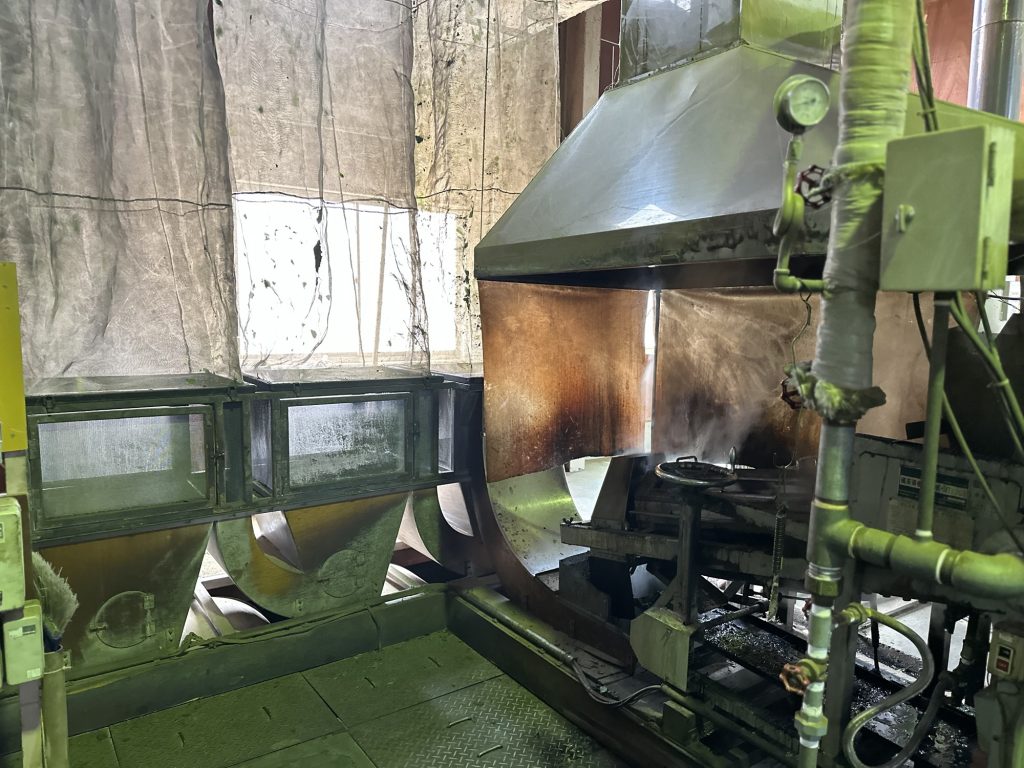
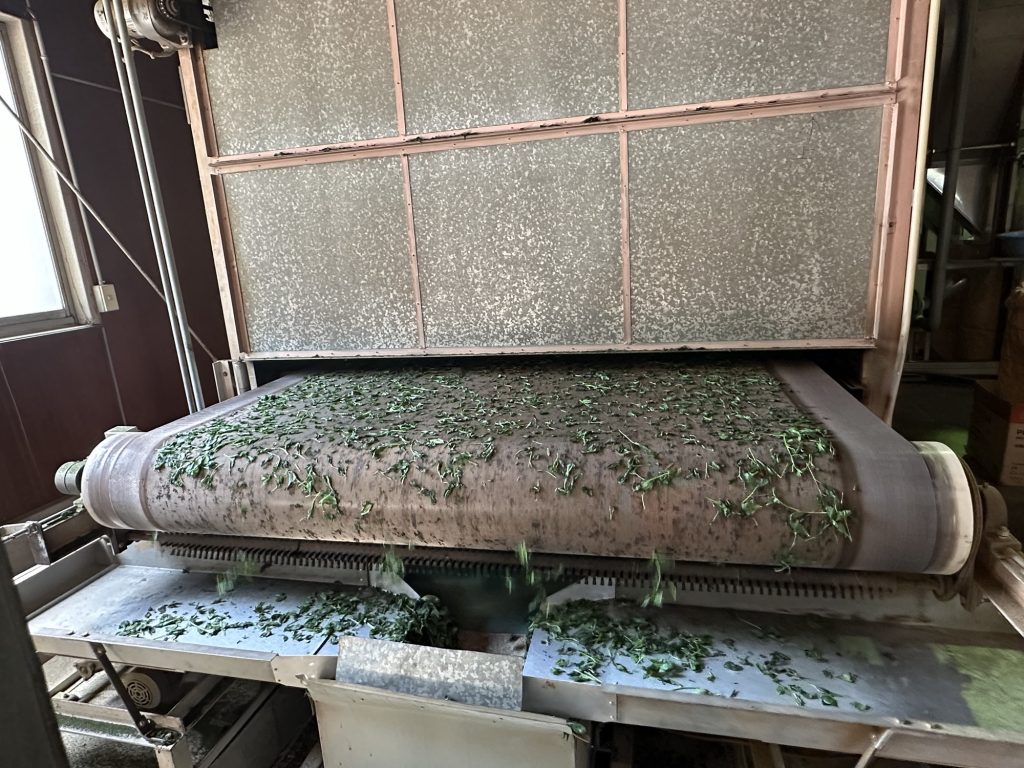
What struck me most was the scale and precision. This wasn’t a quaint artisanal operation – this was serious agricultural processing. Massive steamers worked continuously, followed by cooling conveyors that moved the bright green leaves through various drying stages. The final product? Those delicate, papery tencha leaves that will eventually become the matcha powder we know and love.
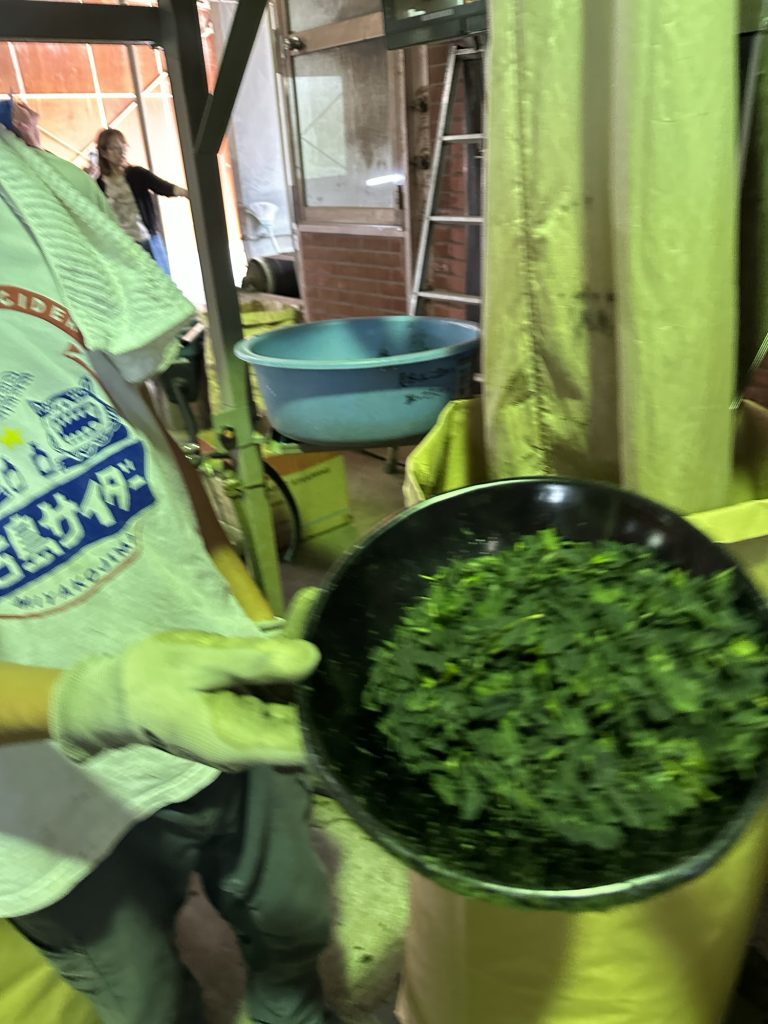
The factory processes tea from multiple local farms, transforming thousands of pounds of fresh leaves daily during peak season. Watching the leaves move through each stage – from fresh and pliable to the final crispy tencha – gave me a new appreciation for the industrial precision behind every bowl of matcha.
For anyone wondering about the quality differences between ceremonial-grade matcha and culinary-grade, seeing this process makes it crystal clear. The attention to temperature control, timing, and handling at every step directly impacts what ends up in your cup back home in Chicago.
The experience reminded me why sourcing matters so much, and why understanding these production realities helps me guide clients toward better tea programs. There’s something powerful about seeing where your favorite matcha actually begins its journey.