You’re reading about a past gathering. Chicago Matcha Club meets every few weeks in Chicago — see what’s coming up next, and grab a seat before it sells out.
We sent this recap to everyone who attended our Chicago Matcha Club meetup. Posting it here so you can see what we’re up to.
Wanna join us next time? Get on the Matcha Club Email List!
Our first
CHICAGO
MATCHA CLUB
was a success!
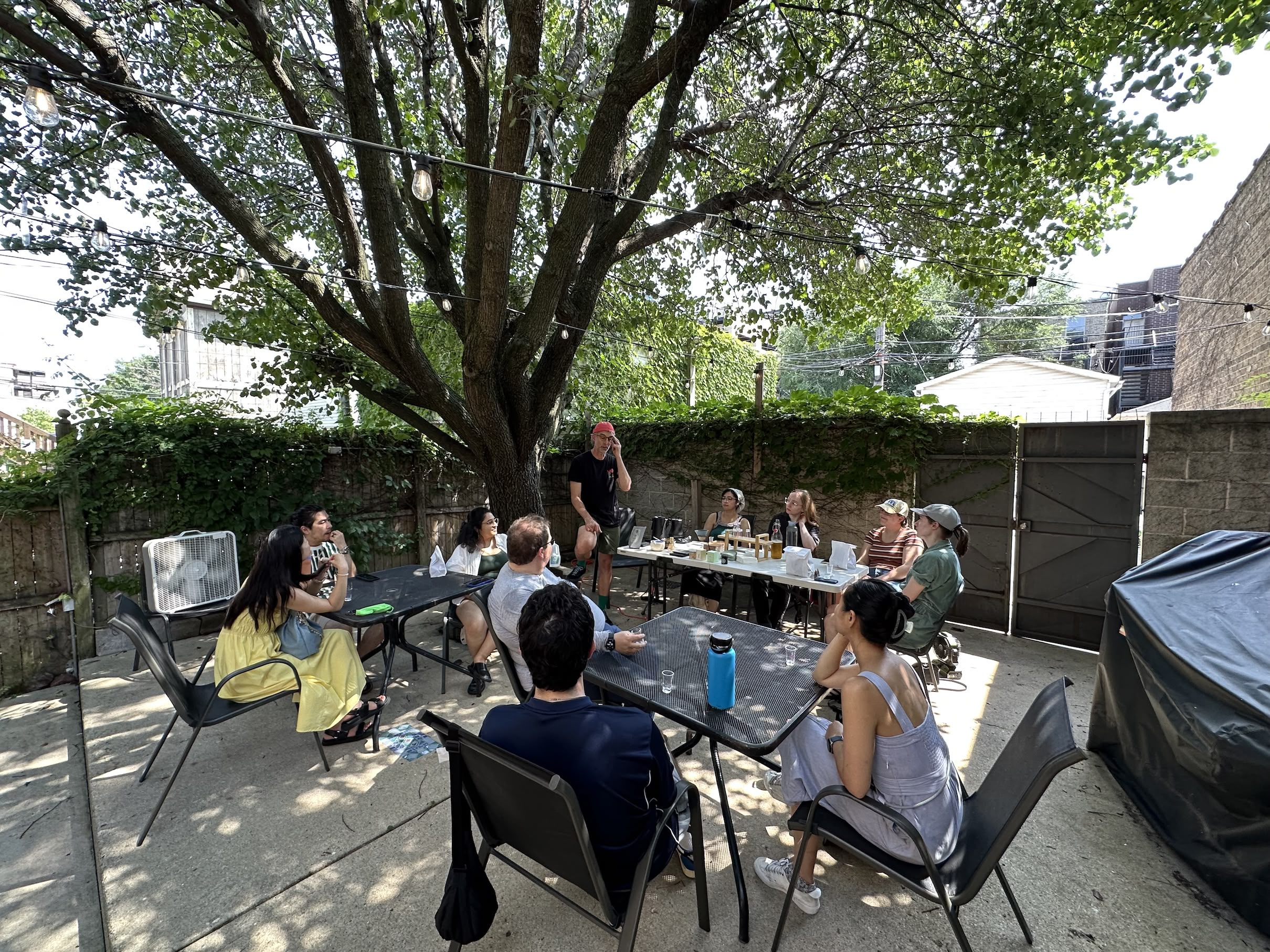
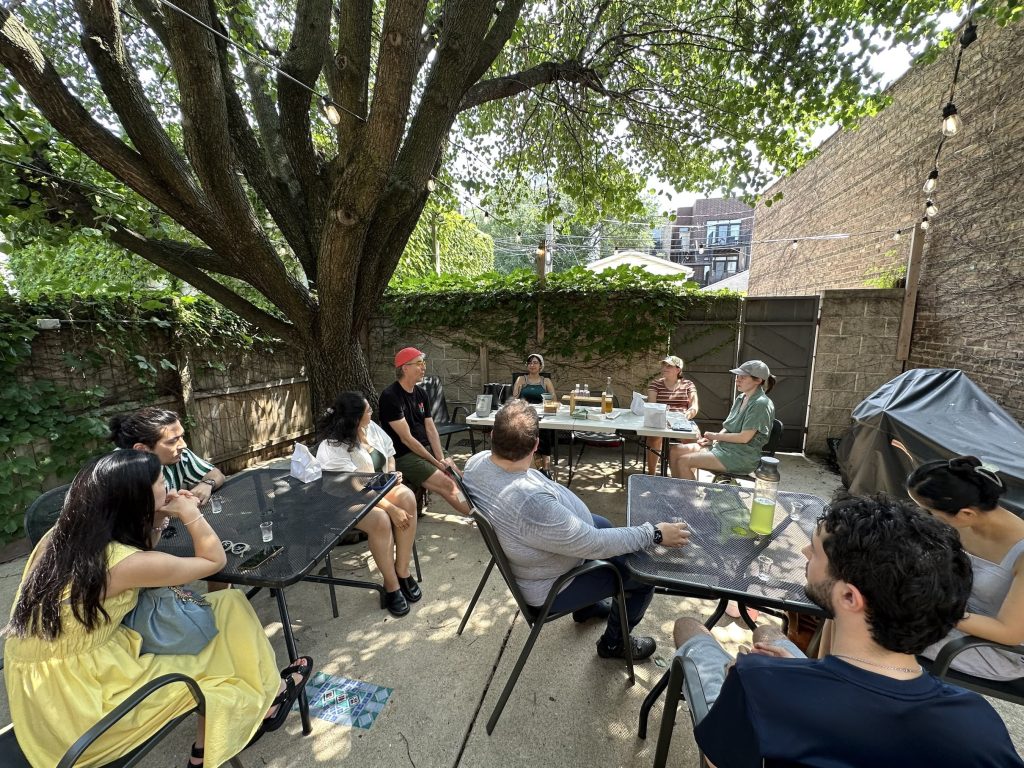
On a sweltering Sunday at a secret location, 10 bonafide matcha lovers became founding members of the Chicago Matcha Club. We spent two hours tasting and talking about… matcha!
Thanks to everyone who joined us for the meetup! We had a great turnout and tasted some really interesting teas. I hope you all enjoyed it as much as I did. Here’s what happened…
What We Tasted
With our little butterfly tasting shot glasses in hand, we worked through seven different teas in this order:
1. Sencha Cold Brew – Mokoma Select Teas
Started with something refreshing. Jason from MOKOMA Select Teas prepared this sencha as a cold brew, which was perfect for the warm day.
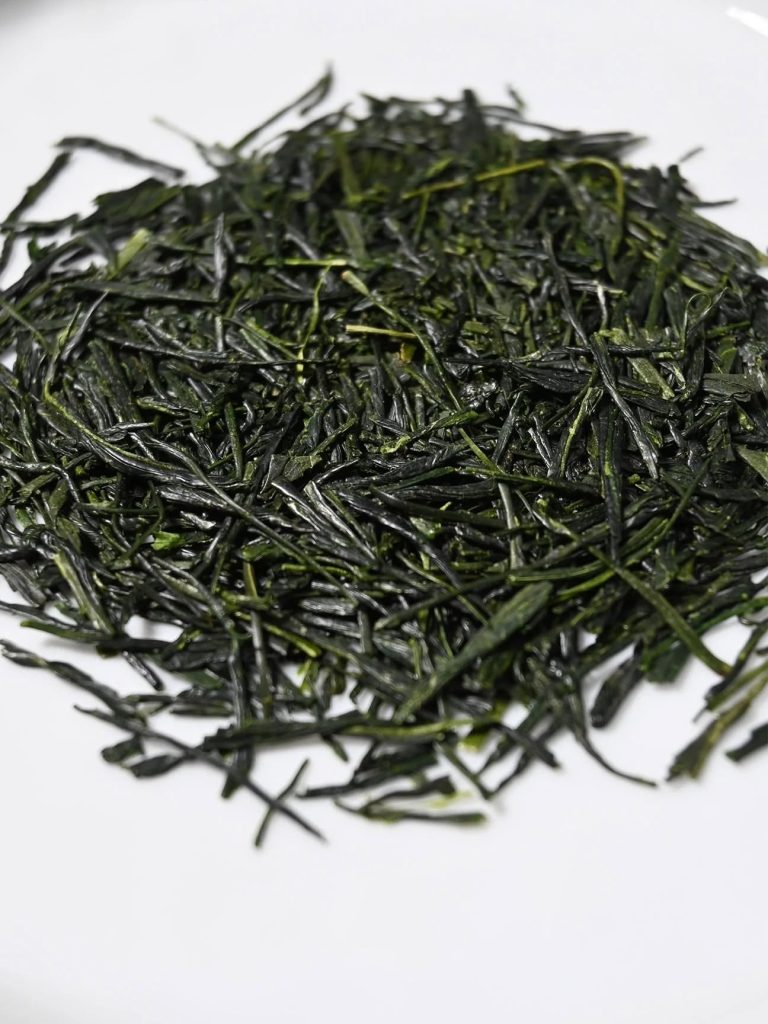
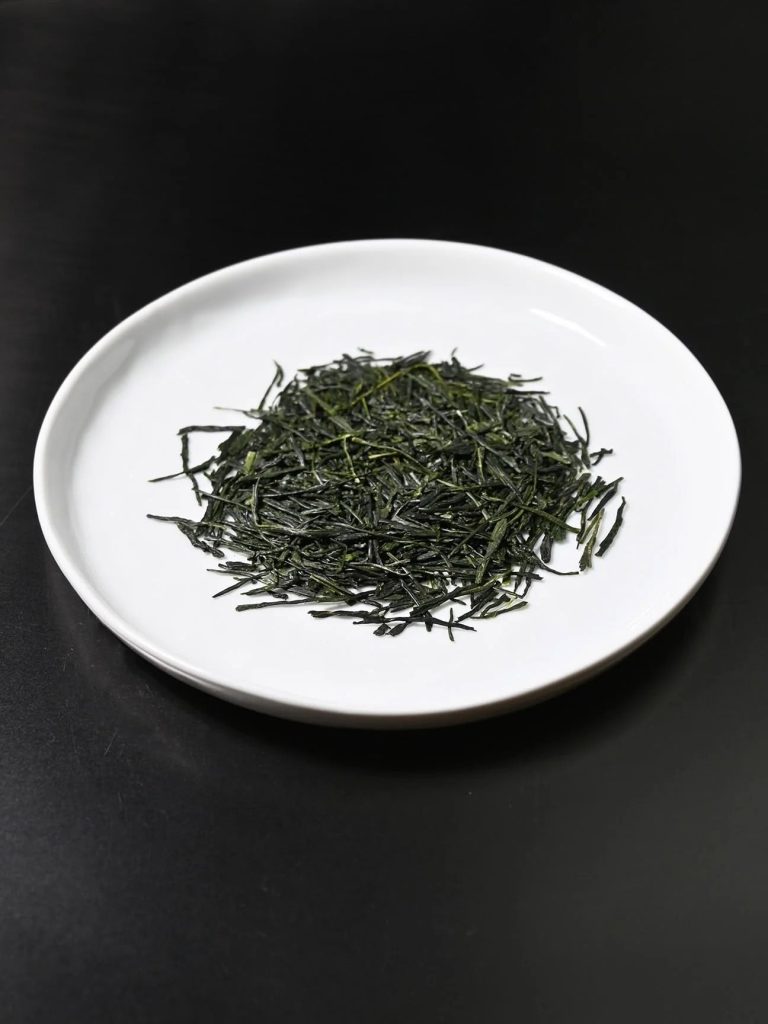
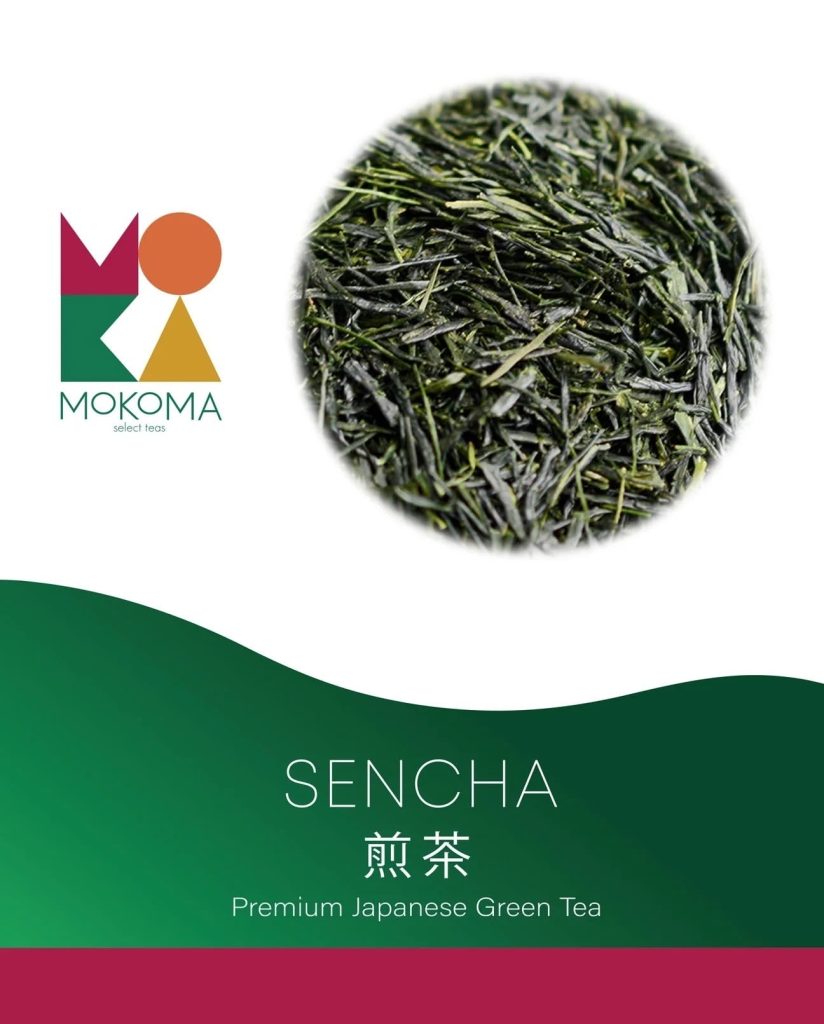
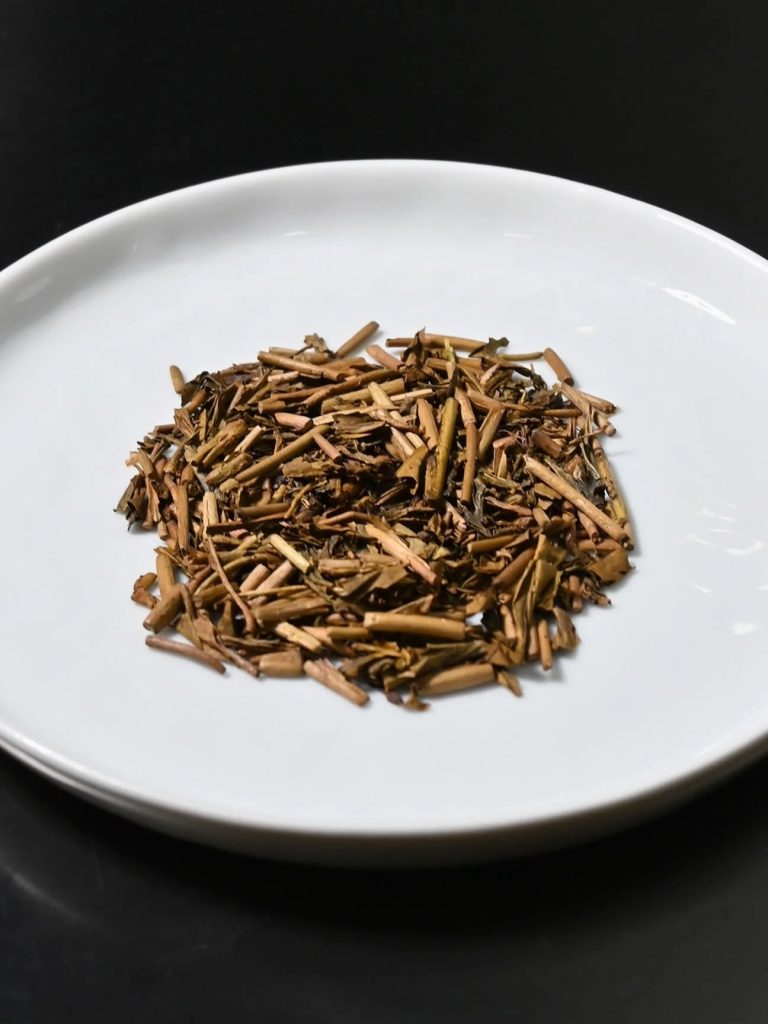
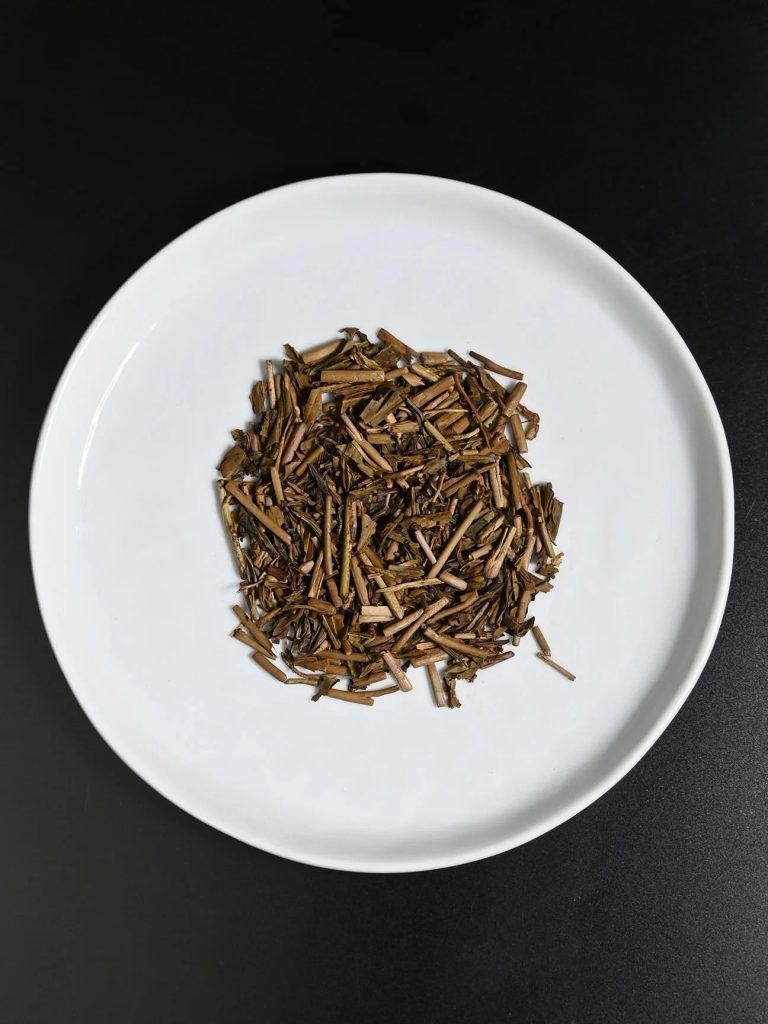
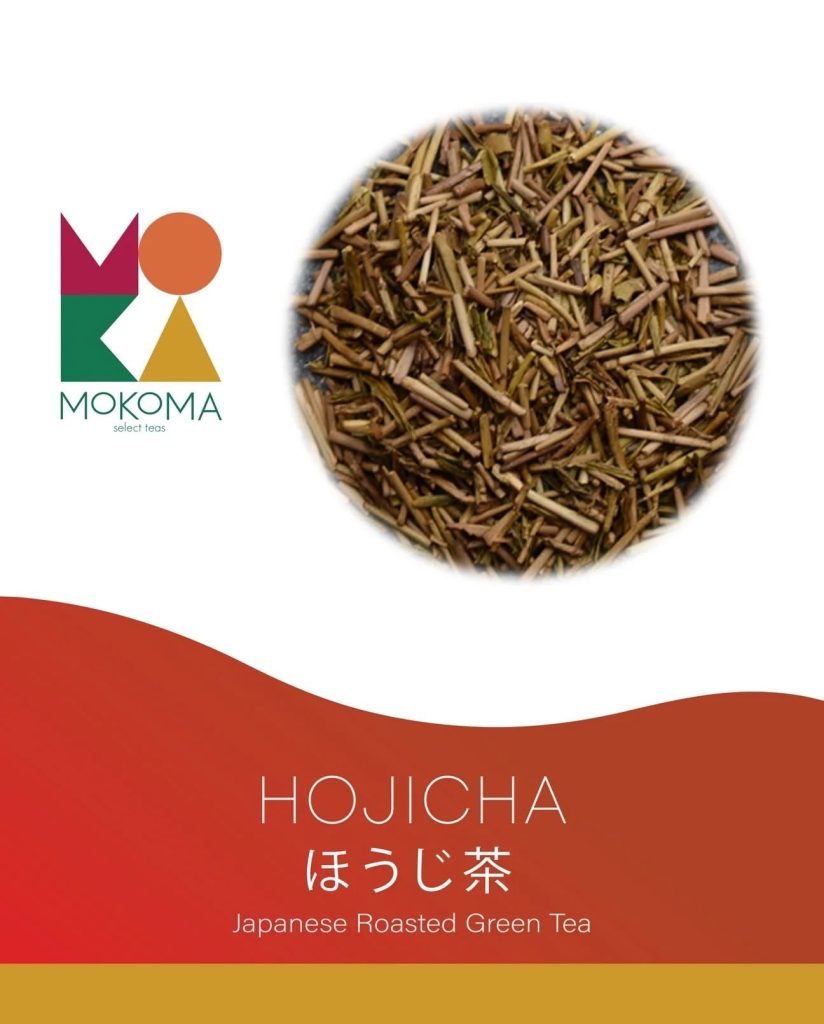
2. Karigane Hōjicha Cold Brew – Mokoma Select Teas
Another cold preparation from MOKOMA. Nice contrast to the sencha and a good palate cleanser before moving to matcha.
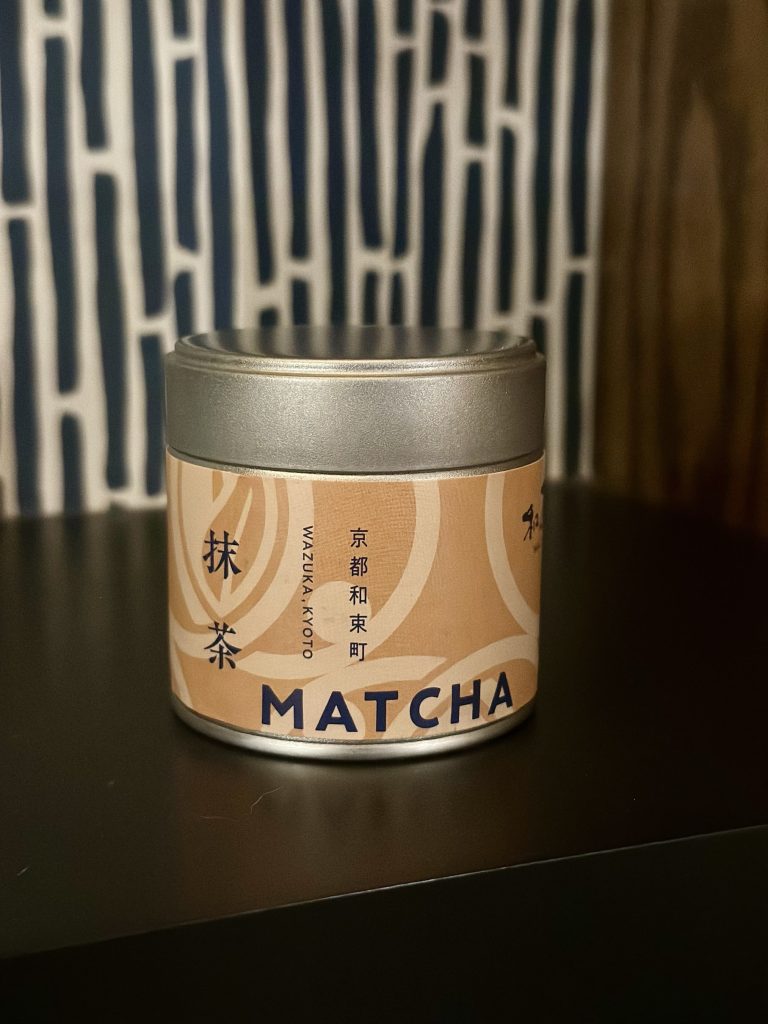
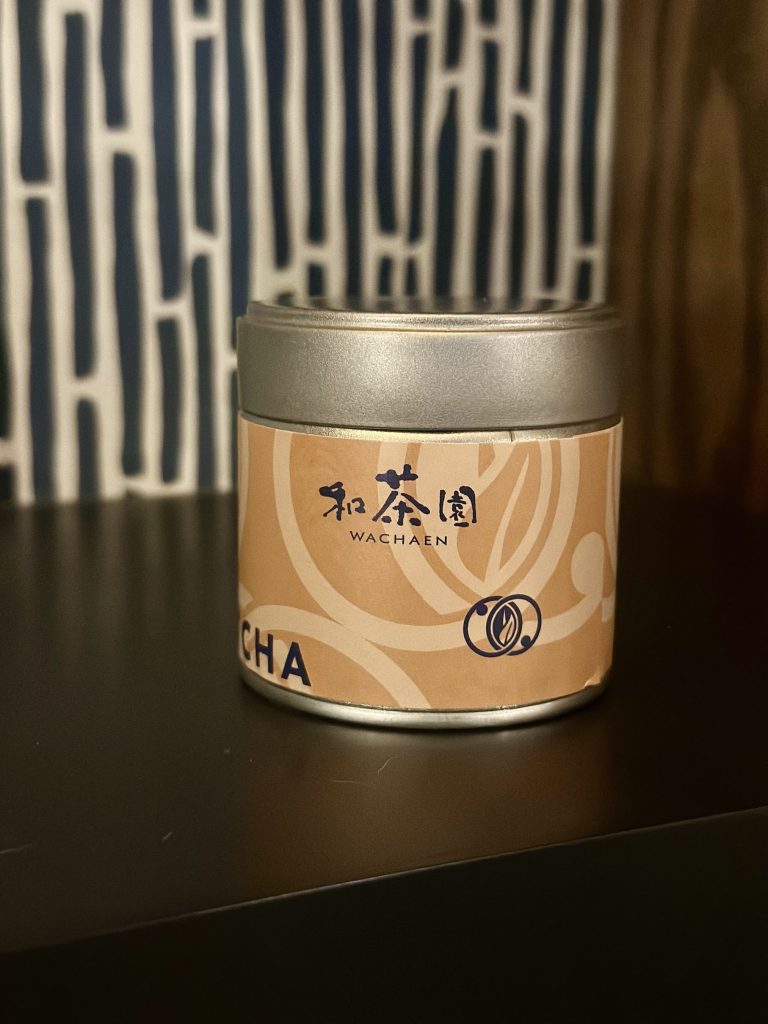
3. Sam’s “Wild” Matcha – Wachaen
Wachaen is the name of Osamu “Sam” Ueda’s tea farm in Wazuka, Kyoto. What makes this matcha interesting is that Sam focuses on native tea varieties grown directly from seed, rather than propagated clones that most tea farms use today. There’s a short documentary featuring Sam that shows his farm and approach.
About Wachaen: Sam’s farm has existed in Wazuka since the medieval days of Kamakura period (1185 to 1333 CE). His “native varieties” are collections of mixed types grown from tea seeds—the original species of the land. He grows his tea plants “without stress,” avoiding cover cultivation for sencha and cutting weak branches even before harvest to encourage healthy growth. More about Wachaen • Instagram: @wachaen_teafarm
4. Guricha – Wachaen
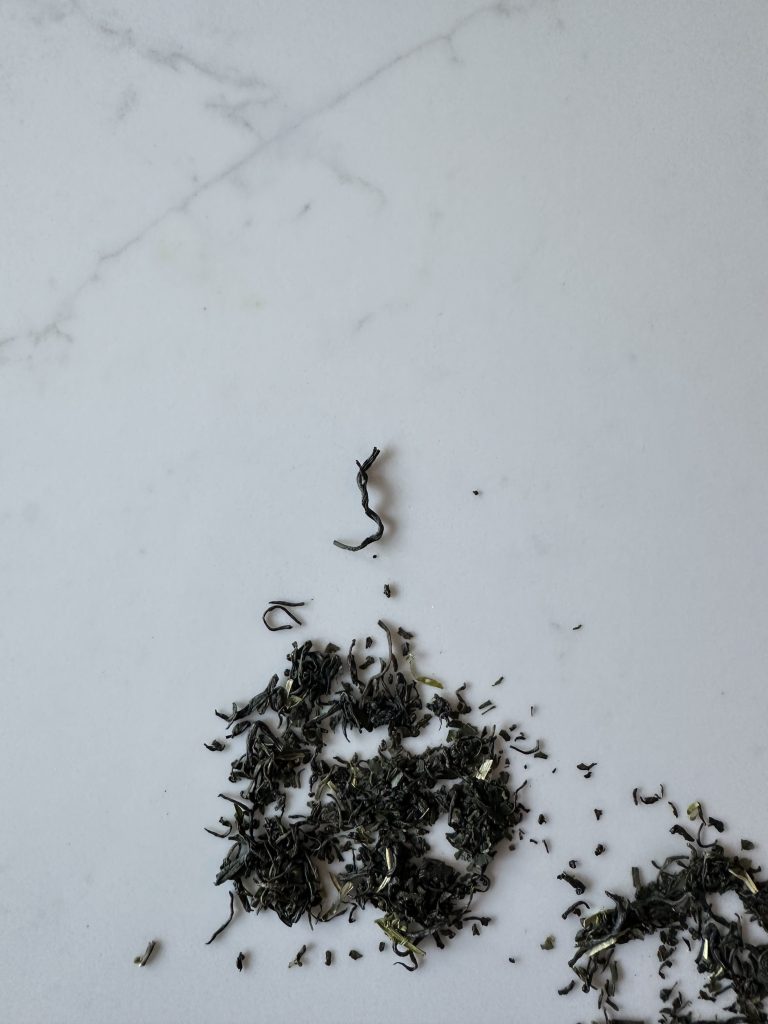
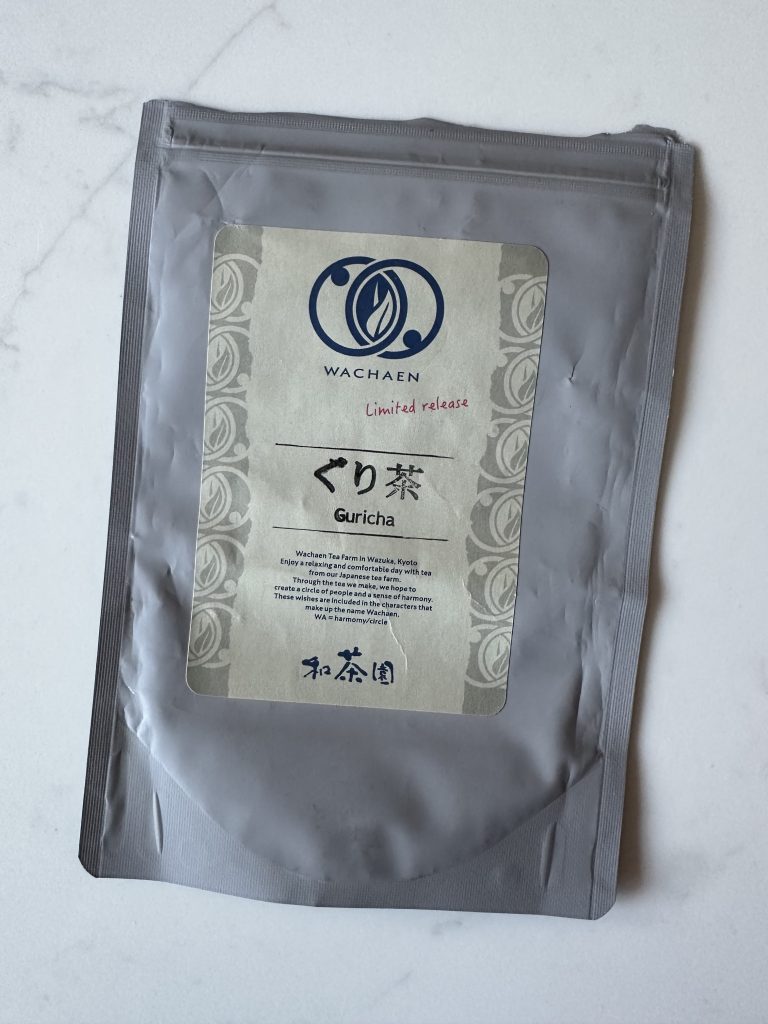
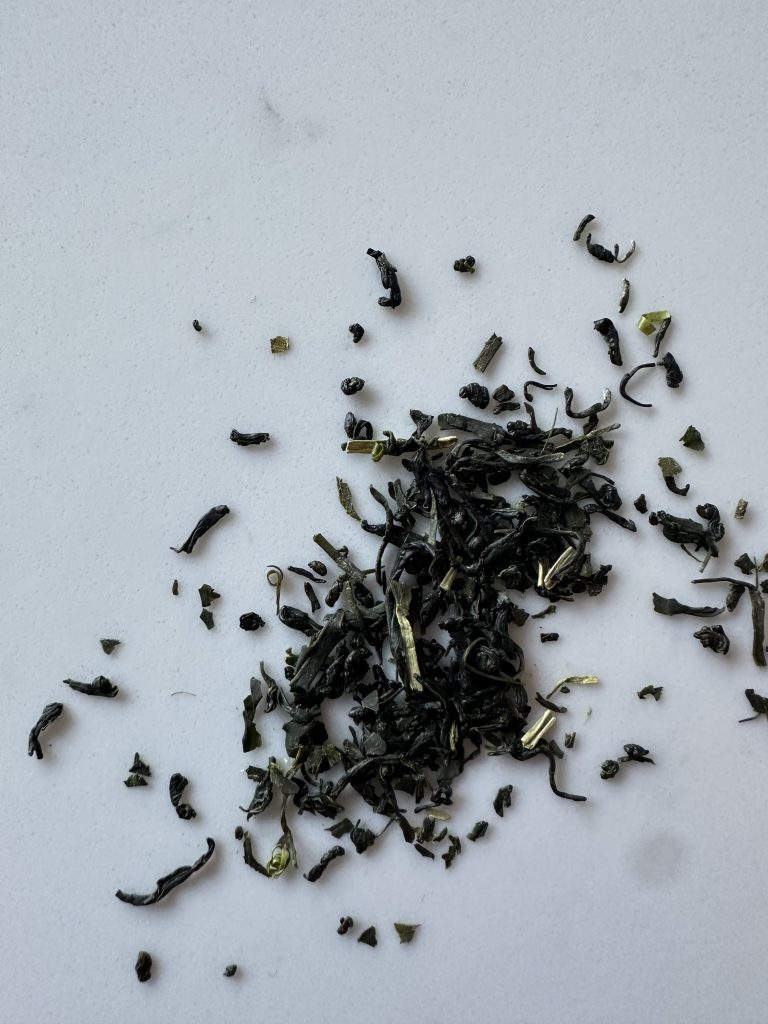
This tea has a story. Guricha is part of a family of Japanese teas called Tamaryokucha, where the leaves skip the final tight rolling step and instead finish with just heating. This creates leaves that curl into comma-like ❟ shapes instead of the typical tight needle form.
What made this particular guricha special: First, not many farmers make guricha these days—it’s becoming rare. Second, this was from a very limited small batch that Sam deep-steamed specifically for this style. And third, the way we got it was pretty memorable. Whilst sitting in a diner in Wazuka, Sam tracked us down to deliver this tea personally. He’d heard I was looking for this style of tea, and since he’s one of only a few in town who makes it, he asked around to find out where we were and made a surprise delivery straight to us! • Instagram: @wachaen_teafarm
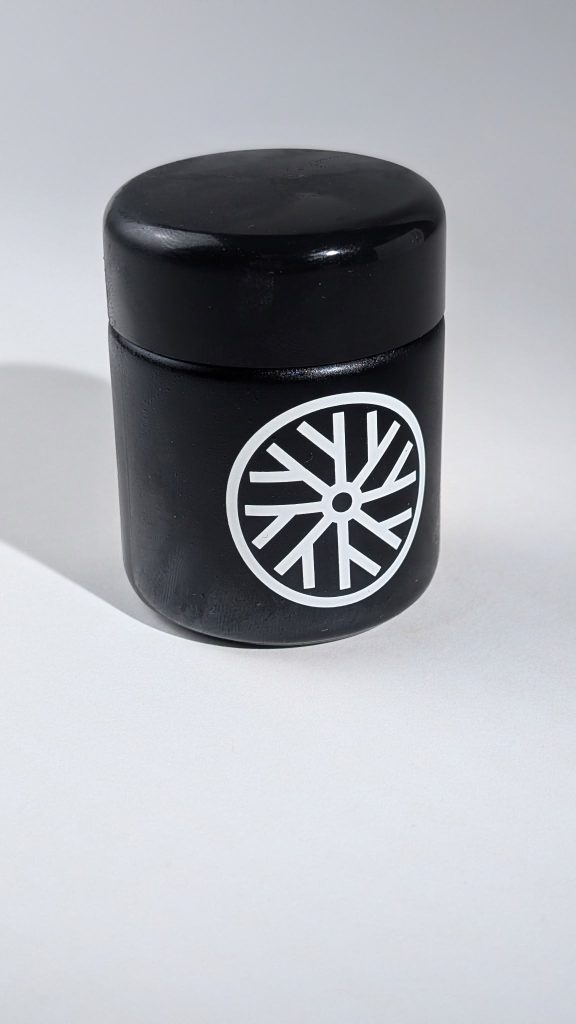
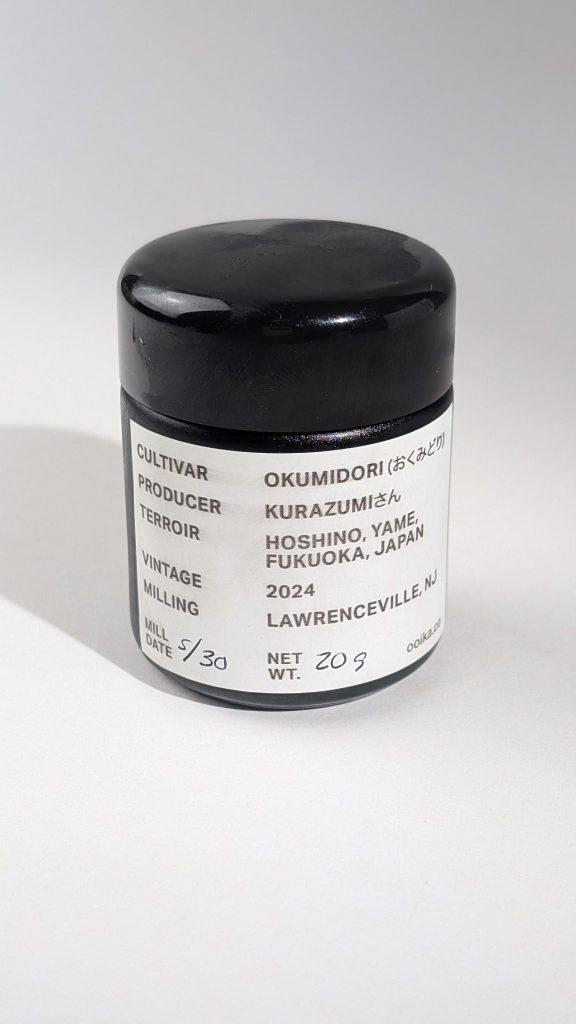
5. Matcha Okumidori by Kurazumi – Oiika
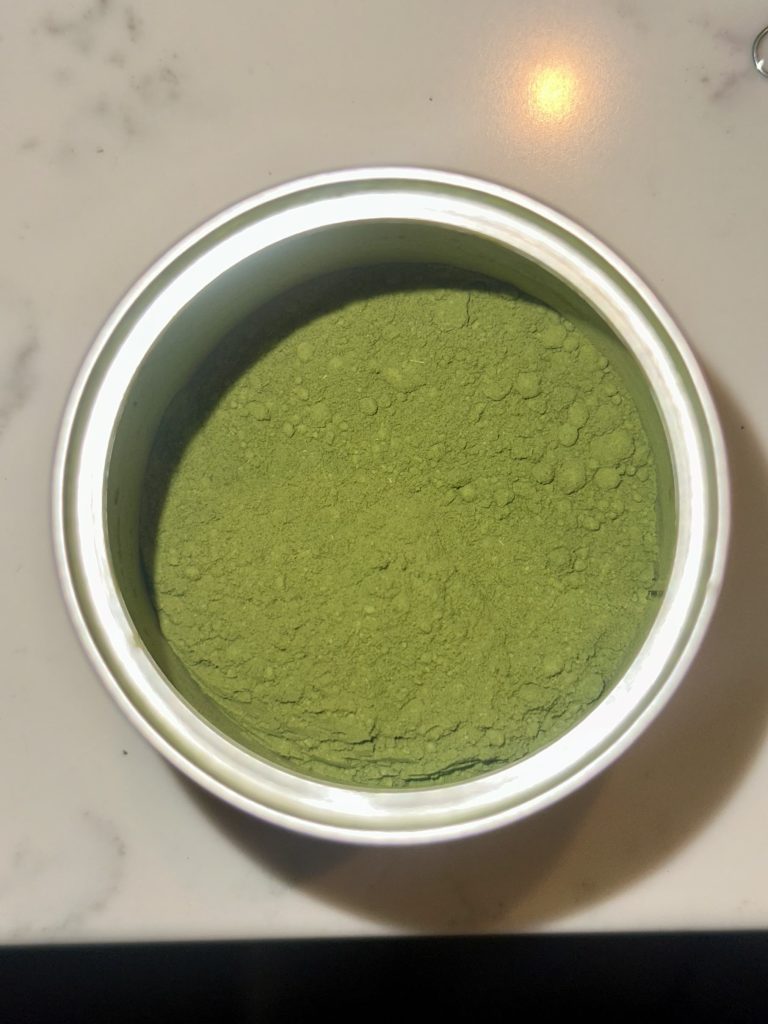
From Hoshino, Yame in Fukuoka Prefecture. What’s unique here is that Oiika imports the tencha (pre-ground matcha leaves) from Japan and stone-mills it fresh in New Jersey. You can see a video of the actual tea farm where this was grown. • Instagram: @ooika.co
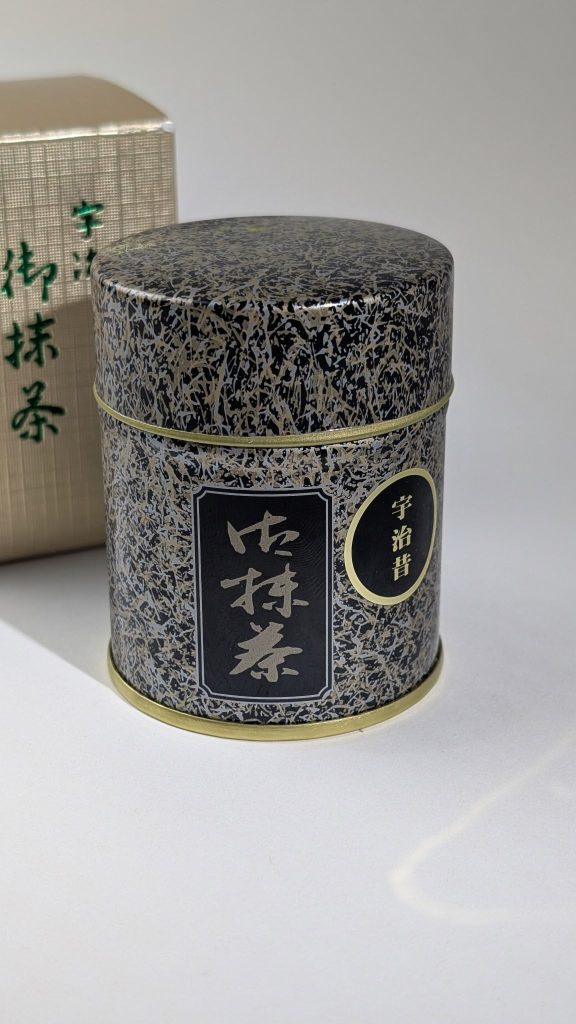
6. Matcha Uji Mukashi – Tsuji Rihei Honten
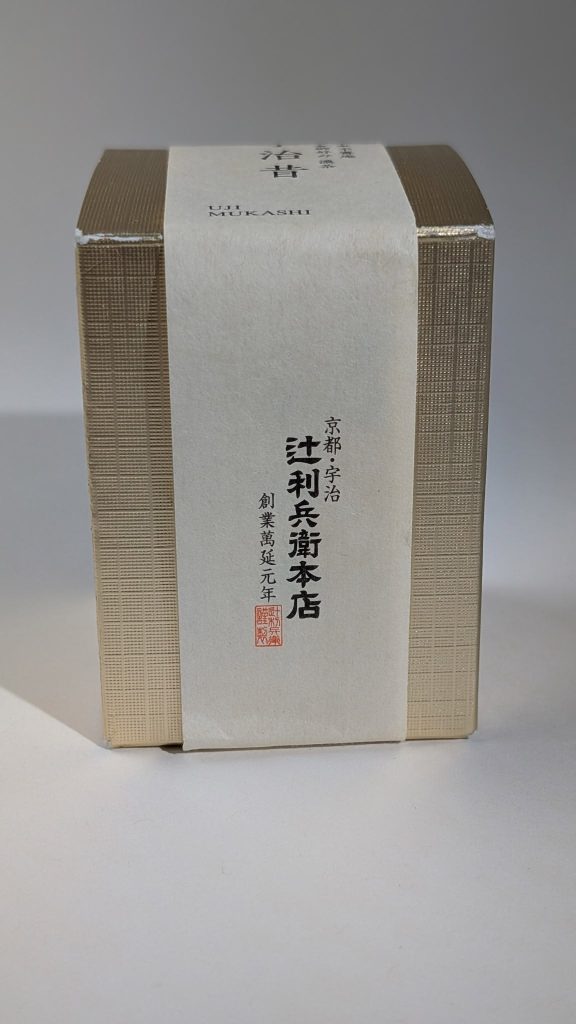
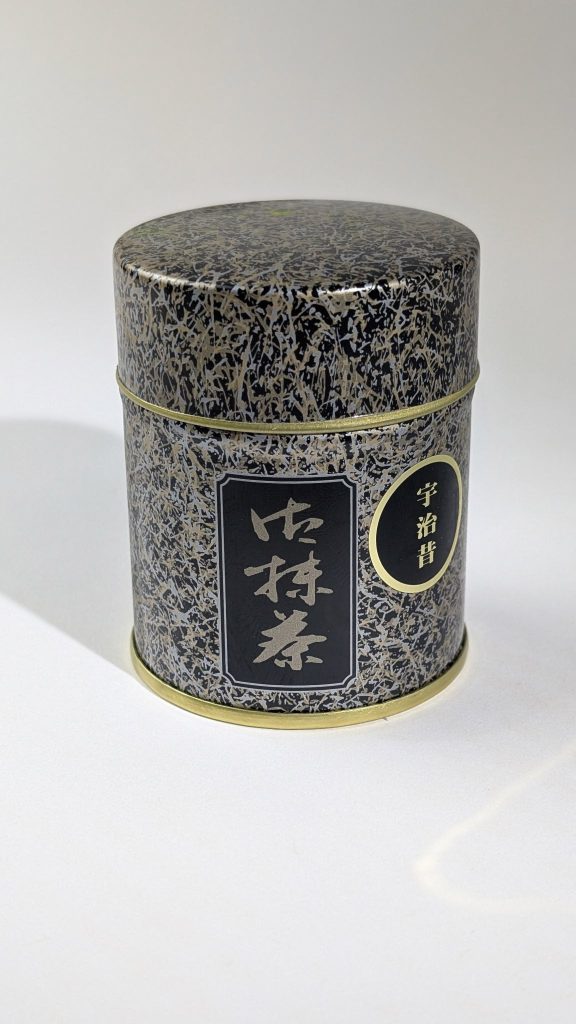
A limited edition from Tsuji Rihei Honten, typically only available at their physical stores in Japan. We picked this up in May 2025 from their main shop in Kyoto. The company has been making tea since the late 1600s—their company history page has some fascinating old photos of traditional tea making. • Instagram: @tsujirihei_honten
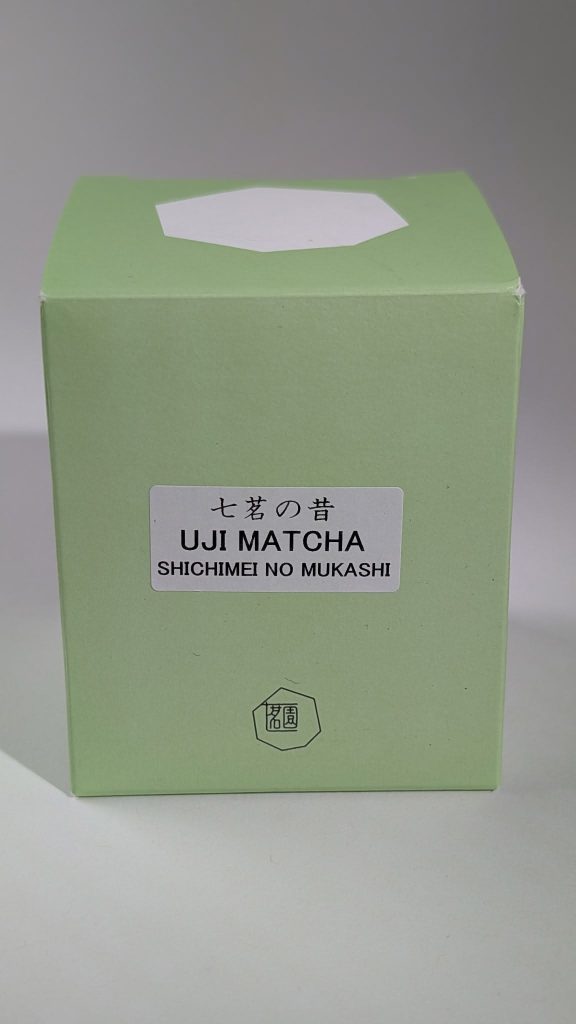
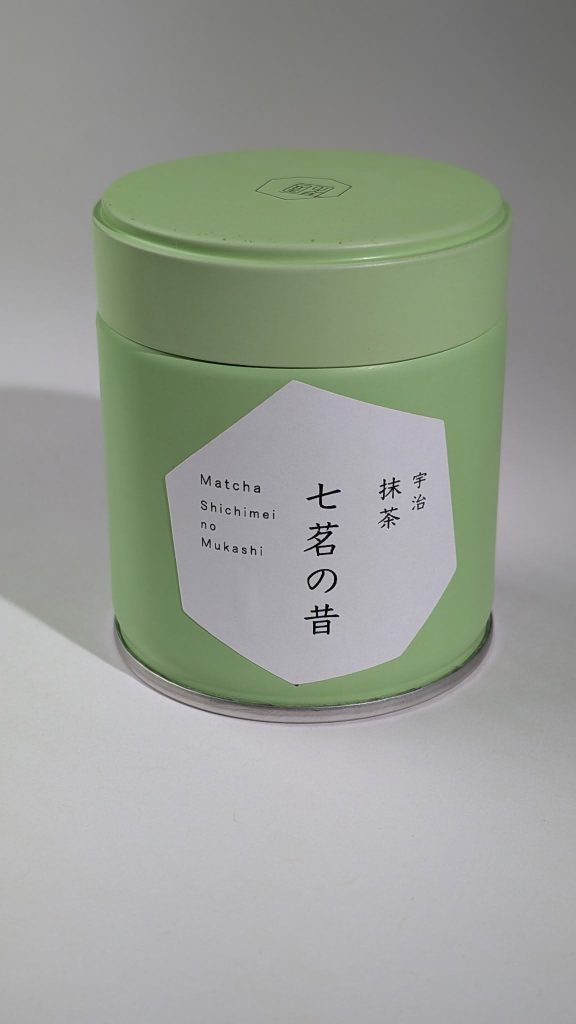
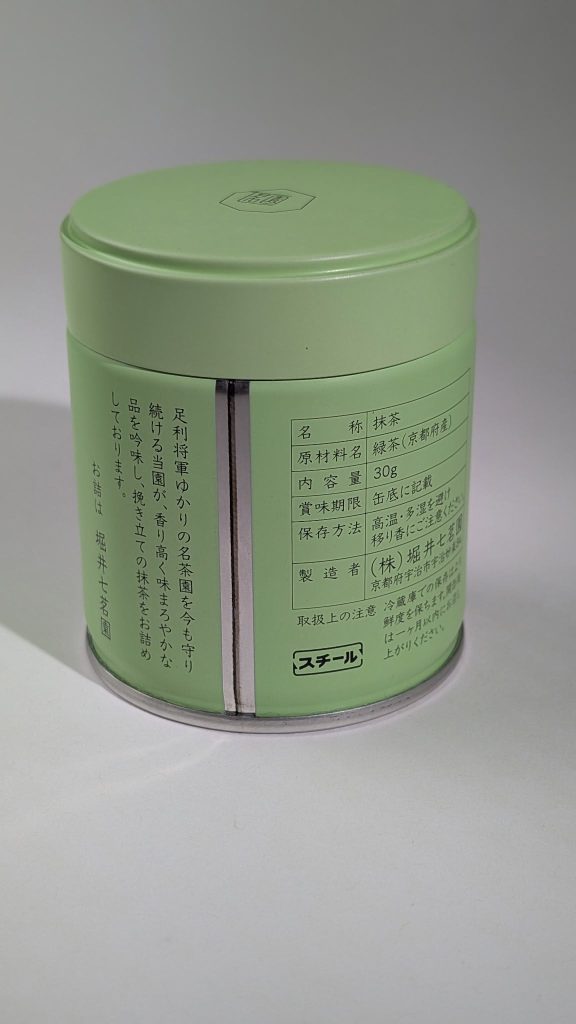
7. Matcha Shichimei no Mukashi – Horii Shichimeien
From one of Uji’s legendary master blenders. Horii Shichimeien has quite a reputation, and this particular Shichimei no Mukashi was purchased from their storefront in Uji. • Instagram: @horiishichimeien
Next Meeting: August 24th
We’re planning our second meetup for Sunday, August 24th in West Town. This time we’re doing two identical sessions to accommodate more people:
- Morning Session: 10:00 AM
- Afternoon Session: 1:30 PM
Both sessions will cover the same tea and topics–just select the time that works best for you.
What’s Planned
During each session, here’s what we’ll be doing:
The Intro: Fundamentals for the First 30 Minutes
Matcha fundamentals for those who want to improve their home preparation. We’ll have a few extra bowls and whisks if you want hands-on practice, or you can bring your own tea tools from home.
Main Event: Blind tasting challenge. We’ve gotten hold of some counterfeit matcha that’s being sold as “Uji Matcha” but actually made in China, using legitimate product names. We’ll taste these alongside the authentic versions to see if we can spot the differences. Should be educational and a bit eye-opening.
Details
- Cost: $25 ($20 for founding members with discount code)
- Capacity: 12 people per session
- Tickets: Available first for previous attendees, then opens to public
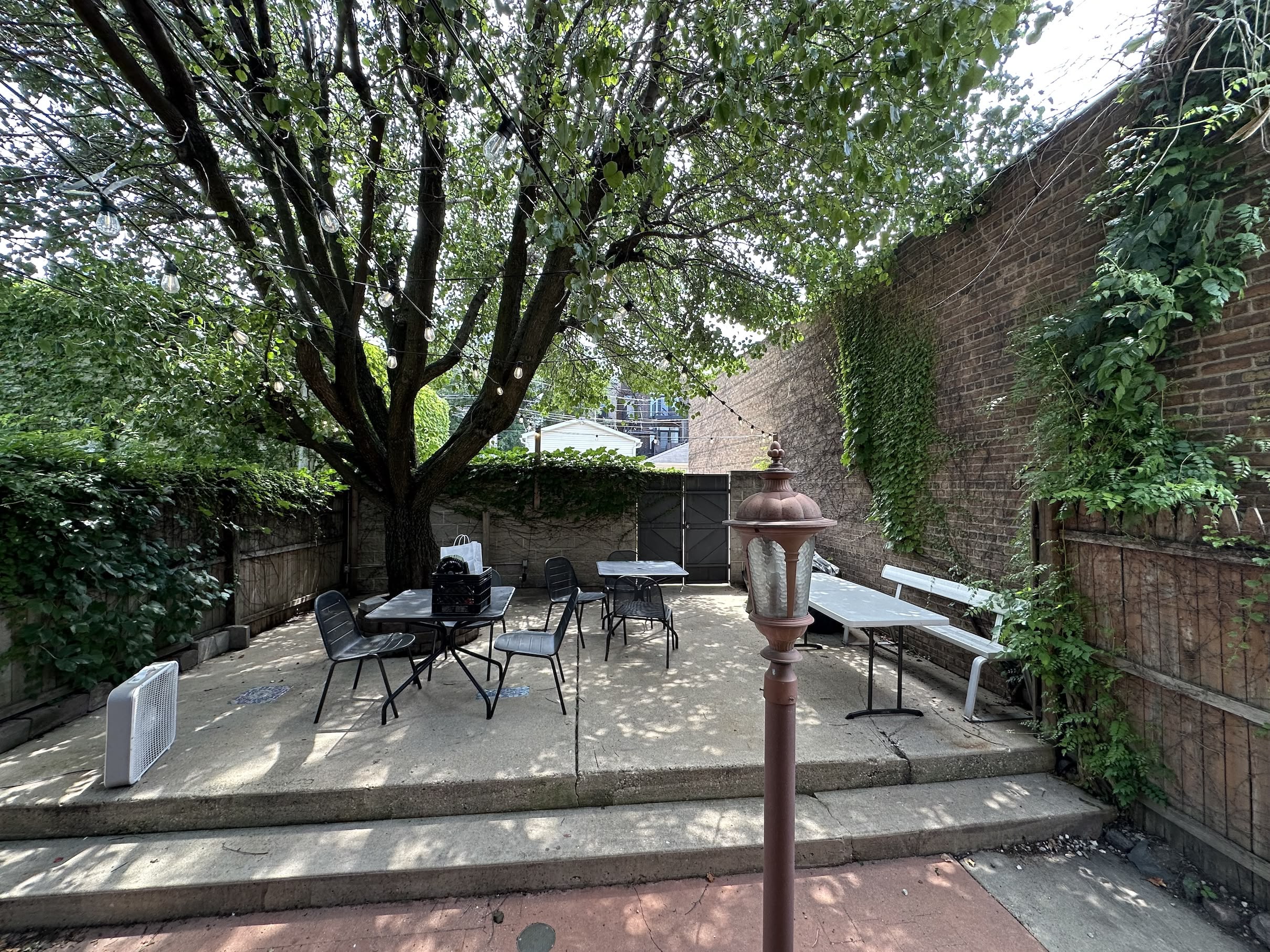
- Location: An outdoor space handcrafted by a friendly local business between West Loop and West Town (Grand Ave corridor). If the weather doesn’t cooperate, we’ll move along inside. Address will be provided after registration.
Wanna join us? Register here: